Proper 8 / Ordinary Time 13
Preaching
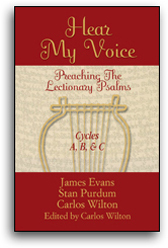
Hear My Voice
Preaching The Lectionary Psalms for Cycles A, B, C
There is nothing quite as unsettling as being lost. A sense of weakness and anxiety takes hold as we realize we don't know where we are, or how we got there, or how to get back. There is no one to ask, there are no signs that point the way; there are only miles and miles of unfamiliar landscape. Deep inside, a growing sense of panic begins to take hold, as we consider the possibility that we may never be found.

Then it happens. A landmark comes into view that seems familiar. We stop and take a close look at it. Yes, it is definitely something we have seen before. Then, there's another familiar landmark, then another and another. Suddenly the road that only a moment before had seemed dreadful and threatening now seems safe and familiar and comforting. No longer is it a path leading to our doom; now it's the way home.
The psalmist is trying to help us find some landmarks. Somehow the psalmist and his congregation had gotten lost. We hear his cry: "In the night my hand is stretched out." What a powerful image of groping in the dark, trying to find the way!
Of course, the psalmist is giving voice to the fears of his community. For some reason they are in the dark. They are on a road that does not seem familiar. There is a growing sense of dread that perhaps God has abandoned them, or that they have wandered so far from God, they will never find him again. The psalmist voices their fear, but also their hope.
The psalmist declares: "I will call to mind the deeds of the Lord; I will remember your wonders of old" (v. 11). For the psalmist, helping the people remember will get them back on the right road. They need to remember the stories they know. They need to remember their own blessings from the past. They need to remember the promises God has made.
Of course, remembering also includes acting. They need to remember how to bow in the presence of God. They need to remember the words to use in prayer -- and then use them in prayer. They need to remember the sights and sounds and smells of worship.
If the people will remember, they will begin to see familiar landmarks. The road they are on now, even though it seems treacherous and foreign, will suddenly become familiar. Just as in the days of old, they will remember how "You led your people like a flock by the hand of Moses and Aaron" (v. 20).
Then it will happen. They will see one happy landmark after another, until suddenly they will realize they are on the path that leads to home.
-- J. E.
Then it happens. A landmark comes into view that seems familiar. We stop and take a close look at it. Yes, it is definitely something we have seen before. Then, there's another familiar landmark, then another and another. Suddenly the road that only a moment before had seemed dreadful and threatening now seems safe and familiar and comforting. No longer is it a path leading to our doom; now it's the way home.
The psalmist is trying to help us find some landmarks. Somehow the psalmist and his congregation had gotten lost. We hear his cry: "In the night my hand is stretched out." What a powerful image of groping in the dark, trying to find the way!
Of course, the psalmist is giving voice to the fears of his community. For some reason they are in the dark. They are on a road that does not seem familiar. There is a growing sense of dread that perhaps God has abandoned them, or that they have wandered so far from God, they will never find him again. The psalmist voices their fear, but also their hope.
The psalmist declares: "I will call to mind the deeds of the Lord; I will remember your wonders of old" (v. 11). For the psalmist, helping the people remember will get them back on the right road. They need to remember the stories they know. They need to remember their own blessings from the past. They need to remember the promises God has made.
Of course, remembering also includes acting. They need to remember how to bow in the presence of God. They need to remember the words to use in prayer -- and then use them in prayer. They need to remember the sights and sounds and smells of worship.
If the people will remember, they will begin to see familiar landmarks. The road they are on now, even though it seems treacherous and foreign, will suddenly become familiar. Just as in the days of old, they will remember how "You led your people like a flock by the hand of Moses and Aaron" (v. 20).
Then it will happen. They will see one happy landmark after another, until suddenly they will realize they are on the path that leads to home.
-- J. E.