Psalm 45:1-2, 6-9
Preaching
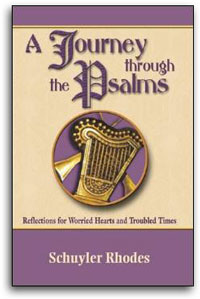
A Journey Through the Psalms: Reflections for Worried Hearts and Troubled Times
Preaching the Psalms Cycles A, B, C
Leaders of all stripes have always had sycophants in abundance to sustain their delusion of power. Doting tongues to puff up the king are nothing new. From Elizabethan jesters to plaster-faced, neck-tied staffers in oval offices, it seems a constant theme. But here we find a caveat of sorts. Sure, the king is a "handsome man." Let us be clear, however, about where real power is to be found.

It's God who anoints, and as it turns out, God has a few qualifications in mind. The scepter is to be one of equity. That is, equal justice, equal opportunity, equal rights, and here's the hobgoblin in the mix, equal distribution of the material resources of the land.
This isn't all. The king is to be a "lover of righteousness." It's one thing to go on record as one approving of righteousness. It's yet another to love it. This love implies a passion beyond intellectual assent. This love asserts a depth of commitment; a sense of intimacy connected with righteousness -- an understanding that this isn't a game being played here.
Delving into this psalm begs the question, "How do our contemporary leaders measure up to God's qualifications?" Is the scepter of our current leadership one of equity? Look across the landscape of our nation. Is equal justice available to everyone, or is it more available to those who can afford it? Is there equal opportunity in education and employment? Are equal rights available to everyone?
It's safe to say that the answer to the above questions is a resounding "No." With African Americans making up the vast majority of our prison population, and only a small fraction of our national population, equal justice is reduced to the level of meaningless rhetoric. With our public schools languishing for lack of funding and support, the notion of equal opportunity evaporates. And in a post 9/11 environment of fear, equal rights and other civil protections fall to the ground and are trampled by the boots of "national security."
But enough of all this. The real question still goes unasked. Where does this leave a biblical people? If, as scripture and circumstances suggest, the king is not following the dictates of God, what are the worshipers of God to do? The options are legion indeed, and this space will halt just short of specific suggestions.
Only this: Real faith is not silent. Deep faith is not inactive. Committed faith will not permit injustice and oppression to continue unabated. Authentic faith knows, finally, that God is not mocked.
It's God who anoints, and as it turns out, God has a few qualifications in mind. The scepter is to be one of equity. That is, equal justice, equal opportunity, equal rights, and here's the hobgoblin in the mix, equal distribution of the material resources of the land.
This isn't all. The king is to be a "lover of righteousness." It's one thing to go on record as one approving of righteousness. It's yet another to love it. This love implies a passion beyond intellectual assent. This love asserts a depth of commitment; a sense of intimacy connected with righteousness -- an understanding that this isn't a game being played here.
Delving into this psalm begs the question, "How do our contemporary leaders measure up to God's qualifications?" Is the scepter of our current leadership one of equity? Look across the landscape of our nation. Is equal justice available to everyone, or is it more available to those who can afford it? Is there equal opportunity in education and employment? Are equal rights available to everyone?
It's safe to say that the answer to the above questions is a resounding "No." With African Americans making up the vast majority of our prison population, and only a small fraction of our national population, equal justice is reduced to the level of meaningless rhetoric. With our public schools languishing for lack of funding and support, the notion of equal opportunity evaporates. And in a post 9/11 environment of fear, equal rights and other civil protections fall to the ground and are trampled by the boots of "national security."
But enough of all this. The real question still goes unasked. Where does this leave a biblical people? If, as scripture and circumstances suggest, the king is not following the dictates of God, what are the worshipers of God to do? The options are legion indeed, and this space will halt just short of specific suggestions.
Only this: Real faith is not silent. Deep faith is not inactive. Committed faith will not permit injustice and oppression to continue unabated. Authentic faith knows, finally, that God is not mocked.