Psalm 98
Preaching
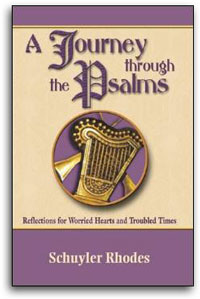
A Journey Through the Psalms: Reflections for Worried Hearts and Troubled Times
Preaching the Psalms Cycles A, B, C
Some people are gifted in music. They can sit down and play an instrument the first time they touch it. Others are not so blessed. For them, music comes with difficulty. Carrying a tune is hard, even if they have a bucket. But gifted or not, it seems that most of us share a love of the music we already know. Whether it's hymns or popular music, classical or country, we all relax into the strains of music we find familiar. Like a favorite chair or flannel shirt, we cling to the comfort of what we know.

At Christmastime, we see this in our love of the great, old carols. We delight in the sounds and warm each year to the memories that populate each note we sing.
Yet, on this day we hear the psalmist urging us to "sing a new song."
A new what? What's going on here? Is there something wrong with the old songs? Why on earth should a new song be sung -- especially at this time of year? The resistance to learning and singing new songs is palpable. It can be felt in the cold winter air.
When it comes to Christmas and Easter, some of us don't like new songs much at all. New songs take energy to learn. New songs jolt us out of our comfort zone. New songs mean new words, new notes. They mean ... change.
But a new song is exactly what this day calls us to sing. Jesus Christ is born! God is doing a new thing, a mighty thing, and what could be more fitting than a new song? What could be more appropriate than singing new notes of praise, shouting new lyrics of love and fidelity? Can we do anything less than compose a new symphony of praise? Would we dare to do anything else but make a new and joyful noise to a God who comes to journey with us through these difficult days?
It's Christmas. The baby is born. The Messiah is come, and new possibilities hang in the air like incense in a cathedral. Should we? Could we? Dare we? Perhaps, for a moment, we might step out of our comfort and ease to welcome the one who is born into the cold. Maybe we might -- just this once -- set aside the familiar well-worn tunes to try a few verses of something new?
Try it. Make it up, even. Hum a few bars, and maybe everyone could join in the new song together. For indeed, this God child deserves a new song. Come, let's sing it together.
At Christmastime, we see this in our love of the great, old carols. We delight in the sounds and warm each year to the memories that populate each note we sing.
Yet, on this day we hear the psalmist urging us to "sing a new song."
A new what? What's going on here? Is there something wrong with the old songs? Why on earth should a new song be sung -- especially at this time of year? The resistance to learning and singing new songs is palpable. It can be felt in the cold winter air.
When it comes to Christmas and Easter, some of us don't like new songs much at all. New songs take energy to learn. New songs jolt us out of our comfort zone. New songs mean new words, new notes. They mean ... change.
But a new song is exactly what this day calls us to sing. Jesus Christ is born! God is doing a new thing, a mighty thing, and what could be more fitting than a new song? What could be more appropriate than singing new notes of praise, shouting new lyrics of love and fidelity? Can we do anything less than compose a new symphony of praise? Would we dare to do anything else but make a new and joyful noise to a God who comes to journey with us through these difficult days?
It's Christmas. The baby is born. The Messiah is come, and new possibilities hang in the air like incense in a cathedral. Should we? Could we? Dare we? Perhaps, for a moment, we might step out of our comfort and ease to welcome the one who is born into the cold. Maybe we might -- just this once -- set aside the familiar well-worn tunes to try a few verses of something new?
Try it. Make it up, even. Hum a few bars, and maybe everyone could join in the new song together. For indeed, this God child deserves a new song. Come, let's sing it together.