Psalm 72:1-7, 18-19
Preaching
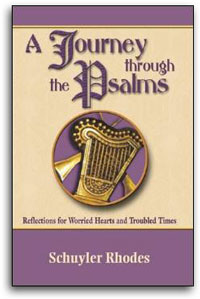
A Journey Through the Psalms: Reflections for Worried Hearts and Troubled Times
Preaching the Psalms Cycles A, B, C
A wise teacher once pointed out that much of scripture is said in dialogue. It is a confusing point, at first. Certainly narrative and conversations between biblical figures are communicated throughout our Bible, but scripture itself as dialogue? How so? Well, think of it this way.

In Psalm 23, when the writer declares that the "Lord is my shepherd" (Psalm 23:1), this is not just a passing fancy. It is an announcement that a choice has been made. The Lord God of Israel is my shepherd, the implication being that there is a choice. And of course, we know that this is true. We can choose among gods as we see fit. The choice is between God our creator and redeemer, or as Paul indicates the God of our "belly" (Philippians 3:19). In the Lord's Prayer when the people pray, "thy will be done" (Matthew 6:10), it is a prayer for God's will, as opposed the will of others.
This sense of dialogical opposition is important in hearing holy scripture, and it is present as well in this psalm. The writer begins with the plea, "Give the king your justice, O God." Clearly there are other ideas about justice in play here. The writer is calling for God's justice and no other. And just in case the reader is unclear about this, the writer is happy to provide details.
God's justice gives fairness to the poor. It offers prosperity to the people and defends the needy, even going so far as to "crush their oppressor." This is God's justice. Justice that does not achieve this is not the justice of God. The king's justice, it would seem, does not come up to God's standards. So the call comes. The prayer is issued. Give the king your justice, O God. "Let justice roll down like waters, and righteousness like an everflowing stream" (Amos 5:24). Let this be "a day acceptable to the Lord!" (Isaiah 58:5).
So where, the question must come, is God's justice present today? Which "king" needs to discover the power and wonder of God's justice? Which ruler should be lifted up in prayer as the call comes for God's justice to reign down among the people? This is a question worth asking in prayer and dialogue, in discernment and community. It is a call that comes -- not from political agenda or ideological stance -- but rather from the holy word itself. Hear the prayerful plea echo down the centuries. "Give the king your justice, O God!"
In Psalm 23, when the writer declares that the "Lord is my shepherd" (Psalm 23:1), this is not just a passing fancy. It is an announcement that a choice has been made. The Lord God of Israel is my shepherd, the implication being that there is a choice. And of course, we know that this is true. We can choose among gods as we see fit. The choice is between God our creator and redeemer, or as Paul indicates the God of our "belly" (Philippians 3:19). In the Lord's Prayer when the people pray, "thy will be done" (Matthew 6:10), it is a prayer for God's will, as opposed the will of others.
This sense of dialogical opposition is important in hearing holy scripture, and it is present as well in this psalm. The writer begins with the plea, "Give the king your justice, O God." Clearly there are other ideas about justice in play here. The writer is calling for God's justice and no other. And just in case the reader is unclear about this, the writer is happy to provide details.
God's justice gives fairness to the poor. It offers prosperity to the people and defends the needy, even going so far as to "crush their oppressor." This is God's justice. Justice that does not achieve this is not the justice of God. The king's justice, it would seem, does not come up to God's standards. So the call comes. The prayer is issued. Give the king your justice, O God. "Let justice roll down like waters, and righteousness like an everflowing stream" (Amos 5:24). Let this be "a day acceptable to the Lord!" (Isaiah 58:5).
So where, the question must come, is God's justice present today? Which "king" needs to discover the power and wonder of God's justice? Which ruler should be lifted up in prayer as the call comes for God's justice to reign down among the people? This is a question worth asking in prayer and dialogue, in discernment and community. It is a call that comes -- not from political agenda or ideological stance -- but rather from the holy word itself. Hear the prayerful plea echo down the centuries. "Give the king your justice, O God!"