
Psalm 145:1-5, 17-21
Preaching
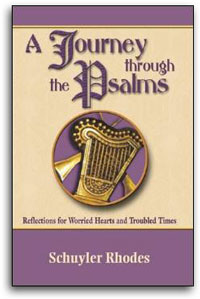
A Journey Through the Psalms: Reflections for Worried Hearts and Troubled Times
Preaching the Psalms Cycles A, B, C
Object:
The words of the ancient Sunday school teacher still ring clear in memory. "If you want to receive a blessing, you must be a blessing." These words have been a traveling partner for more than two decades of ministry, the words of this psalm conjure them up with fresh power.
The opening words are sung, perhaps danced with joy. "I will extol you my God and king and bless your name forever. Every day I will bless you...." And the psalm goes with the faithful blessing God because they themselves have been blessed. Who could take issue with such words? Who would even suggest that the faithful might not bless God? No one.
The unasked question here has to do with the shape and manner of said blessing. Does the psalm imply that we should dance, sing, and mouth our blessings all the day long? Does this writer imagine that the faithful should dress God with ever-more elaborate compliments? Perhaps so. But is that all?
No, it is not praise or elaborate liturgy that God desires. The prophet Amos makes this abundantly clear.
I hate, I despise your festivals, and I take no delight in your solemn assemblies. Even though you offer me your burnt offerings and grain offerings, I will not accept them; and the offerings of well-being of your fatted animals I will not look upon. Take away from me the noise of your songs; I will not listen to the melody of your harps. But let justice roll down like waters, and righteousness like an ever-flowing stream.
-- Amos 5:21-24
Indeed, the prophet stands in a critical pose as he reads through this psalm. It is a fitting stance for a prophet, and he does not stand alone. Isaiah and Micah stand, too, calling for an incarnation of blessing. These words accompany the psalmist through the centuries to our places of worship today.
How do the faithful bless God in this day and age? What shape do these blessings take? Are they merely the harmonies of hymns and songs or the intoned responses of prayers? Or are those songs accompanied by the rhythms of justice and peace? Do they walk on the earth as the music of liberation and the prayers of healing and disarmament?
If so, then perhaps that ancient Sunday school teacher's words were heard as we ourselves become the blessing we would offer our God.
The opening words are sung, perhaps danced with joy. "I will extol you my God and king and bless your name forever. Every day I will bless you...." And the psalm goes with the faithful blessing God because they themselves have been blessed. Who could take issue with such words? Who would even suggest that the faithful might not bless God? No one.
The unasked question here has to do with the shape and manner of said blessing. Does the psalm imply that we should dance, sing, and mouth our blessings all the day long? Does this writer imagine that the faithful should dress God with ever-more elaborate compliments? Perhaps so. But is that all?
No, it is not praise or elaborate liturgy that God desires. The prophet Amos makes this abundantly clear.
I hate, I despise your festivals, and I take no delight in your solemn assemblies. Even though you offer me your burnt offerings and grain offerings, I will not accept them; and the offerings of well-being of your fatted animals I will not look upon. Take away from me the noise of your songs; I will not listen to the melody of your harps. But let justice roll down like waters, and righteousness like an ever-flowing stream.
-- Amos 5:21-24
Indeed, the prophet stands in a critical pose as he reads through this psalm. It is a fitting stance for a prophet, and he does not stand alone. Isaiah and Micah stand, too, calling for an incarnation of blessing. These words accompany the psalmist through the centuries to our places of worship today.
How do the faithful bless God in this day and age? What shape do these blessings take? Are they merely the harmonies of hymns and songs or the intoned responses of prayers? Or are those songs accompanied by the rhythms of justice and peace? Do they walk on the earth as the music of liberation and the prayers of healing and disarmament?
If so, then perhaps that ancient Sunday school teacher's words were heard as we ourselves become the blessing we would offer our God.
