
Psalm 130
Preaching
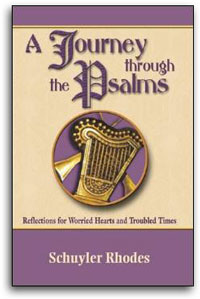
A Journey Through the Psalms: Reflections for Worried Hearts and Troubled Times
Preaching the Psalms Cycles A, B, C
Object:
Back in the '60s, there was a phenomenon known as trading stamps. At grocery stores and other vendors, shoppers would receive an amount of stamps proportionate to their spending. The idea was that you would save these stamps in little books conveniently provided by the stores and then turn them in for all kinds of delectable prizes.
So, with books brimming with stamps, people would go to what was known as a redemption center. There would be gleaming products on the shelves and smiling attendants to help. You could turn your stamps in at this redemption center for an electric frying pan, a fancy new steam iron, or a backyard barbecue grill.
All in all, it was a neat arrangement and a very clever marketing ploy. The closest thing to it today are the airlines who offer frequent flyer miles that can be redeemed, after you accumulate enough, for free flights.
This sense of redemption is the coinage of our culture. Like a flat stone hurled against the surface of the water, it skims and skips along without that satisfying plunk of a splash. For us, redemption is a kind of barter. We redeem our stamps or our miles for goods and services that we desire. After all, they were called "trading" stamps, right?
But for Israel, and other nations in the long line of history, redemption is a somewhat different matter. This kind of redemption is no mere visit to the trading post. This kind of redemption has to do with being rescued. In this psalm, the writer howls out from the depths of misery and begs for God's redemption.
Thinking about those trading stamp redemption centers, one wonders about how our churches fare in this regard. Would we call our churches redemption centers? Do we engage in worship and ministry with the notion of redemption in mind? And if so, what does it look like? Do we invite people to trade in their "iniquities" (v. 3) for God's saving power? If so, what does that look like? Are we able to move beyond the trading stamp model of redemption and go deeper into the notion that we are all in need of rescuing, and that we are all called to "wait" upon God's salvation?
It is a tension that comes to us all as we strive to be faithful. How is it that we wait upon our redemption? How is it that we teach and lead? How is it that we build communities that are redemption centers?
So, with books brimming with stamps, people would go to what was known as a redemption center. There would be gleaming products on the shelves and smiling attendants to help. You could turn your stamps in at this redemption center for an electric frying pan, a fancy new steam iron, or a backyard barbecue grill.
All in all, it was a neat arrangement and a very clever marketing ploy. The closest thing to it today are the airlines who offer frequent flyer miles that can be redeemed, after you accumulate enough, for free flights.
This sense of redemption is the coinage of our culture. Like a flat stone hurled against the surface of the water, it skims and skips along without that satisfying plunk of a splash. For us, redemption is a kind of barter. We redeem our stamps or our miles for goods and services that we desire. After all, they were called "trading" stamps, right?
But for Israel, and other nations in the long line of history, redemption is a somewhat different matter. This kind of redemption is no mere visit to the trading post. This kind of redemption has to do with being rescued. In this psalm, the writer howls out from the depths of misery and begs for God's redemption.
Thinking about those trading stamp redemption centers, one wonders about how our churches fare in this regard. Would we call our churches redemption centers? Do we engage in worship and ministry with the notion of redemption in mind? And if so, what does it look like? Do we invite people to trade in their "iniquities" (v. 3) for God's saving power? If so, what does that look like? Are we able to move beyond the trading stamp model of redemption and go deeper into the notion that we are all in need of rescuing, and that we are all called to "wait" upon God's salvation?
It is a tension that comes to us all as we strive to be faithful. How is it that we wait upon our redemption? How is it that we teach and lead? How is it that we build communities that are redemption centers?
