
Psalm 86:1-10, 16-17
Preaching
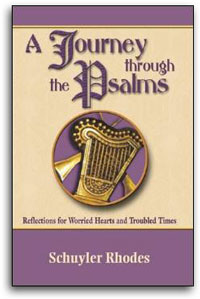
A Journey Through the Psalms: Reflections for Worried Hearts and Troubled Times
Preaching the Psalms Cycles A, B, C
Object:
Having someone hate you is a difficult thing to bear. Having someone hate you and then try to do something against you is even worse. The fear, the sense of powerlessness, and the insecurity one feels at a time like this is difficult to describe. The whole body fills with tension. It's difficult to focus or concentrate. Over and over again the mind wonders what was done to deserve this. In between that wondering comes the playing and replaying of scenarios about how things might have gone differently.
Being under attack like that consumes one's spirit and energy. It sucks the life right out of the soul. It's this sense of despair and sorrow that this psalm conveys. It's this feeling of being boxed in and without options that leads to the plaintive cry to God.
Those who haven't had an experience like this can count themselves among the blessed. But if it is happening, if someone is out to get you, the call rises from the belly and rockets to the ear of the holy. "Listen to me! I'm calling on you, God!"
If help doesn't seem to be forthcoming, the desperation grows to a manic mantra of attempted persuasion and even flattery. "There's no one like you, God. All the nations will come and bow before you. Bank on it! You're the greatest!"
Reading this psalm wrenches the heart. Down the centuries one can feel the pain and the anguish in these words. More powerful than that is the truth that these words are rooted in the firm and sure belief that indeed God is listening. Indeed, God will save. These are no vaporous utterings floating off into nothingness. These are not words given to an eternal silence. This prayer, like every prayer, is heard. This prayer is embraced by a God who is engaged and active in the panoply of history.
This pronouncement should be the end of it. The prayer is offered. The prayer is heard. But the cynic within sighs deeply and rolls imaginary eyes. "The prayer may be heard, but is it answered? Didn't prayers like this go up the chimneys of Dachau? Didn't prayers like this get lifted up in countless scenes of suffering across the globe? Where," the inner cynic asks, "is the answer to the prayer?"
This inner cynic is tough, and for him there are no easy answers. Perhaps that's why he's a cynic. Cynics like easy answers.
The persistence of faith insists on this: God is real. God created us. God loves us. Indeed, God is love itself (1 John 4:8). It all comes to the realization that God is not an old, white man with a beard running the world as a puppet master manipulates his subject across a dusty stage.
No, it's a bit more complex than that. Between our freedom to do as we choose and God's ever-present grace, between our seemingly endless capacity to choose death over life (Deuteronomy 30:15-20), and God's truly endless capacity to love, in between all this comes the one moment we have to trust in God no matter what is happening. That moment is the one we are living right now. It is the ever-flowing present tense; the eternal now into which we give our trust. And trust, it must be said, is not a cynic's tool.
Being under attack like that consumes one's spirit and energy. It sucks the life right out of the soul. It's this sense of despair and sorrow that this psalm conveys. It's this feeling of being boxed in and without options that leads to the plaintive cry to God.
Those who haven't had an experience like this can count themselves among the blessed. But if it is happening, if someone is out to get you, the call rises from the belly and rockets to the ear of the holy. "Listen to me! I'm calling on you, God!"
If help doesn't seem to be forthcoming, the desperation grows to a manic mantra of attempted persuasion and even flattery. "There's no one like you, God. All the nations will come and bow before you. Bank on it! You're the greatest!"
Reading this psalm wrenches the heart. Down the centuries one can feel the pain and the anguish in these words. More powerful than that is the truth that these words are rooted in the firm and sure belief that indeed God is listening. Indeed, God will save. These are no vaporous utterings floating off into nothingness. These are not words given to an eternal silence. This prayer, like every prayer, is heard. This prayer is embraced by a God who is engaged and active in the panoply of history.
This pronouncement should be the end of it. The prayer is offered. The prayer is heard. But the cynic within sighs deeply and rolls imaginary eyes. "The prayer may be heard, but is it answered? Didn't prayers like this go up the chimneys of Dachau? Didn't prayers like this get lifted up in countless scenes of suffering across the globe? Where," the inner cynic asks, "is the answer to the prayer?"
This inner cynic is tough, and for him there are no easy answers. Perhaps that's why he's a cynic. Cynics like easy answers.
The persistence of faith insists on this: God is real. God created us. God loves us. Indeed, God is love itself (1 John 4:8). It all comes to the realization that God is not an old, white man with a beard running the world as a puppet master manipulates his subject across a dusty stage.
No, it's a bit more complex than that. Between our freedom to do as we choose and God's ever-present grace, between our seemingly endless capacity to choose death over life (Deuteronomy 30:15-20), and God's truly endless capacity to love, in between all this comes the one moment we have to trust in God no matter what is happening. That moment is the one we are living right now. It is the ever-flowing present tense; the eternal now into which we give our trust. And trust, it must be said, is not a cynic's tool.
