
The Advent Season
Preaching
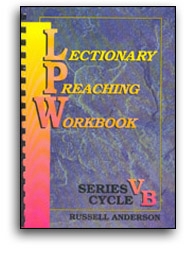
Lectionary Preaching Workbook
Series V, Cycle B
Background Of The Season
The roots of this season of preparation stem back to fourth century France. Originally it extended over a period of seven weeks, but in the sixth century the Bishop of Rome condensed it to four. In the childhood of the church, Advent was strictly observed, with daily fasting and worship. The word advent means literally "to come to." This refers to God's incarnation into our world in the person of Jesus.
The Message of Advent
The message of Advent can be summed up in three phrases. Jesus has come. Jesus is come. Jesus will come again as Lord of all. Most churches seem to focus on the first statement. The Lord has come. The emphasis is placed on what God accomplished through the birth of Jesus some 2000 years ago. This gives the Christian faith a historical grounding. The Lord of the church is not a figment of someone's imagination; his existence in place and time is firmly established. Luke contributes historical details to the setting in which Jesus was born (Luke 2:1--2).
The second statement, the Lord is come, informs us that the incarnation, God taking on human form, is something we can experience in the present. Jesus is still with us through the power of the Spirit. If the incarnation is merely a past or a future event, it cannot profoundly impact our lives. Yet, before he returned to the Father, Jesus communicated to the church the promise of his presence (Matthew 28:20). The Christ comes to us through other people, vessels into which his Spirit is poured. Like the blessed Virgin Mary, we are servants of the Lord, receptacles and dispensers of God's grace. During this season a major thrust would have us extend our antennas so that we might receive signals of divine presence that bounce all around us.
The third phrase of Christ's coming tells us that Jesus will come again as Lord of all. This is the future tense of Advent. This introduces the penitential aspect of Advent. When Jesus comes again it will not be as the infant lowly but as the judge of the living and the dead, the Lord of all creation. Numerous parables of Jesus warn us not to be caught off guard or unprepared. He will return suddenly, at a time we do not expect. Except for some groups of enthusiasts, this aspect of Advent remains relatively neglected. Such notions can be discomforting and anxiety--provoking because we are aware of our sin and imperfection.
Theological Themes In Advent
Anticipation
The Lord is coming both within the context of history and at the end of time. We can, we must, live in a state of anticipation. It's the kind of anticipation and longing found amongst lovers who have been parted. They can hardly wait to be united with the loved one.
Fulfillment
The Advent pericopes attempt to demonstrate how Jesus fulfills the messianic expectations of the Old Testament prophecies. Of course, the church awaits the ultimate fulfillment of Christ's kingdom in the parousia.
Preparation
Active preparations are needed before the reunion of the church with its Lord. The repentance that John the Baptist heralded registers at the top of this "to do" list. Faith goes along with repentance, if our lamps are to be in readiness for Christ, the Bridegroom. That faith will find expression in acts of love toward those in need. Of course, nobody can be ready for Christ's coming without a working knowledge of how to employ scripture and prayer in the journey of life.
Submission
The blessed Virgin Mary and Joseph are perfect signs of submission to the will of God. The Kingdom of God, as the name implies, informs us that God remains the absolute ruler. Christ reigns as king of all creation and potentate of his body, the church. The kingdom can never be a democracy. The Lord will never force our submission but we cannot enter the kingdom without its being rendered.
Celebration
The season of Advent has a penitential aspect to it, of course, but there is cause for celebration, because "the Lord is at hand." This should not be a no--holds--barred season of revelry but a period of quiet rejoicing.
Peacemaking
The Messiah, expected by the Hebrews, was to be a peacemaker who would reign in righteousness and peace. When the Christ completes his reconciling work at the parousia, all forces opposed to goodness will be abolished and God's peace will reign supreme.
Justice
John the Baptist is a prominent figure in the Advent pericopes, who employed Isaiah's image of leveling in preparation for the Lord's coming. We live in a world of injustice and inequality but the kingdom of God promises justice for the poor and the downtrodden. Justice and peace are closely wedded concepts, as the Psalmist states so poetically: "Steadfast love and faithfulness will meet; righteousness and peace will kiss each other" (Psalm 85:10).
Unifying Theme For Advent
The Advent Season presents a great opportunity to develop a preaching theme that carries through the season. From the Old Testament lessons I have pulled several concepts of God and organized them under the banner "Advent Images Of God."
This theme might be developed like this:
Advent 1
Text: Isaiah 64:8
Theme: God is the potter and we are the clay. This text emphasizes both the fragility of human existence and our worth in God's estimation. Though we are flawed pots, God will renew us.
Advent 2
Text: Isaiah 40:10--11
Theme: God is the shepherd and we are the sheep for whom he lovingly cares.
Advent 3
Text: Isaiah 61:1--3
Theme: The Lord is a liberator, freeing us from our captivity to sin and death.
Advent 4
Text: 2 Samuel 7:15b--16
Theme: The Lord is a house builder, constructing an eternal house in which we can dwell.
The roots of this season of preparation stem back to fourth century France. Originally it extended over a period of seven weeks, but in the sixth century the Bishop of Rome condensed it to four. In the childhood of the church, Advent was strictly observed, with daily fasting and worship. The word advent means literally "to come to." This refers to God's incarnation into our world in the person of Jesus.
The Message of Advent
The message of Advent can be summed up in three phrases. Jesus has come. Jesus is come. Jesus will come again as Lord of all. Most churches seem to focus on the first statement. The Lord has come. The emphasis is placed on what God accomplished through the birth of Jesus some 2000 years ago. This gives the Christian faith a historical grounding. The Lord of the church is not a figment of someone's imagination; his existence in place and time is firmly established. Luke contributes historical details to the setting in which Jesus was born (Luke 2:1--2).
The second statement, the Lord is come, informs us that the incarnation, God taking on human form, is something we can experience in the present. Jesus is still with us through the power of the Spirit. If the incarnation is merely a past or a future event, it cannot profoundly impact our lives. Yet, before he returned to the Father, Jesus communicated to the church the promise of his presence (Matthew 28:20). The Christ comes to us through other people, vessels into which his Spirit is poured. Like the blessed Virgin Mary, we are servants of the Lord, receptacles and dispensers of God's grace. During this season a major thrust would have us extend our antennas so that we might receive signals of divine presence that bounce all around us.
The third phrase of Christ's coming tells us that Jesus will come again as Lord of all. This is the future tense of Advent. This introduces the penitential aspect of Advent. When Jesus comes again it will not be as the infant lowly but as the judge of the living and the dead, the Lord of all creation. Numerous parables of Jesus warn us not to be caught off guard or unprepared. He will return suddenly, at a time we do not expect. Except for some groups of enthusiasts, this aspect of Advent remains relatively neglected. Such notions can be discomforting and anxiety--provoking because we are aware of our sin and imperfection.
Theological Themes In Advent
Anticipation
The Lord is coming both within the context of history and at the end of time. We can, we must, live in a state of anticipation. It's the kind of anticipation and longing found amongst lovers who have been parted. They can hardly wait to be united with the loved one.
Fulfillment
The Advent pericopes attempt to demonstrate how Jesus fulfills the messianic expectations of the Old Testament prophecies. Of course, the church awaits the ultimate fulfillment of Christ's kingdom in the parousia.
Preparation
Active preparations are needed before the reunion of the church with its Lord. The repentance that John the Baptist heralded registers at the top of this "to do" list. Faith goes along with repentance, if our lamps are to be in readiness for Christ, the Bridegroom. That faith will find expression in acts of love toward those in need. Of course, nobody can be ready for Christ's coming without a working knowledge of how to employ scripture and prayer in the journey of life.
Submission
The blessed Virgin Mary and Joseph are perfect signs of submission to the will of God. The Kingdom of God, as the name implies, informs us that God remains the absolute ruler. Christ reigns as king of all creation and potentate of his body, the church. The kingdom can never be a democracy. The Lord will never force our submission but we cannot enter the kingdom without its being rendered.
Celebration
The season of Advent has a penitential aspect to it, of course, but there is cause for celebration, because "the Lord is at hand." This should not be a no--holds--barred season of revelry but a period of quiet rejoicing.
Peacemaking
The Messiah, expected by the Hebrews, was to be a peacemaker who would reign in righteousness and peace. When the Christ completes his reconciling work at the parousia, all forces opposed to goodness will be abolished and God's peace will reign supreme.
Justice
John the Baptist is a prominent figure in the Advent pericopes, who employed Isaiah's image of leveling in preparation for the Lord's coming. We live in a world of injustice and inequality but the kingdom of God promises justice for the poor and the downtrodden. Justice and peace are closely wedded concepts, as the Psalmist states so poetically: "Steadfast love and faithfulness will meet; righteousness and peace will kiss each other" (Psalm 85:10).
Unifying Theme For Advent
The Advent Season presents a great opportunity to develop a preaching theme that carries through the season. From the Old Testament lessons I have pulled several concepts of God and organized them under the banner "Advent Images Of God."
This theme might be developed like this:
Advent 1
Text: Isaiah 64:8
Theme: God is the potter and we are the clay. This text emphasizes both the fragility of human existence and our worth in God's estimation. Though we are flawed pots, God will renew us.
Advent 2
Text: Isaiah 40:10--11
Theme: God is the shepherd and we are the sheep for whom he lovingly cares.
Advent 3
Text: Isaiah 61:1--3
Theme: The Lord is a liberator, freeing us from our captivity to sin and death.
Advent 4
Text: 2 Samuel 7:15b--16
Theme: The Lord is a house builder, constructing an eternal house in which we can dwell.
